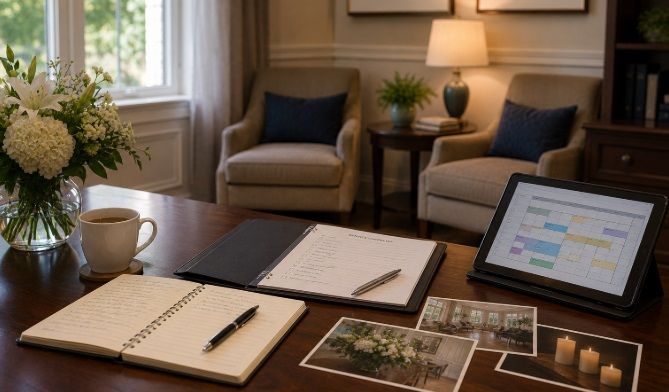
Personal traditions can bring familiarity and meaning to a difficult time. Families working with
funeral homes Dartmouth, MA may want a service to reflect religious beliefs, cultural customs, family practices, or simple traditions that have become meaningful over generations. Funeral professionals can help families identify which elements matter most and determine how they can fit naturally into the service. Rather than assuming every ceremony should follow the same format, thoughtful planning creates room for traditions that represent the individual and the people gathering to remember them.
Every family brings a different history to funeral planning. Some traditions may be formal and longstanding, while others may be as personal as a particular song, reading, photograph, or story. New Day Cremation & Funeral Care emphasizes personalized care designed around individual family needs, including meaningful ways to represent a person's life. We help families talk through these preferences, understand what coordination may be required, and create a service that respects what matters to them.
Listening Before Planning Begins
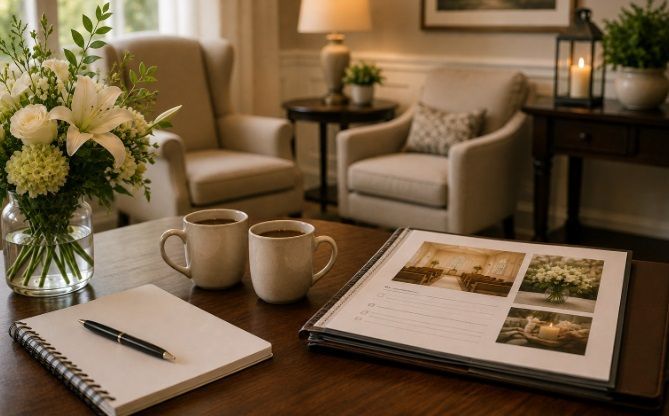
Supporting personal traditions starts by listening. Funeral directors need to understand what a family values before the details of a service can be organized. During an arrangement conversation, families can explain religious customs, cultural practices, family expectations, and personal wishes they hope to include.
These discussions can also uncover traditions that might otherwise be overlooked. One relative may remember a meaningful piece of music, while another may suggest a reading or keepsake connected to the person's life. The funeral professional can help bring these ideas together without making the service feel overly complicated.
Listening also helps distinguish between traditions that need specific coordination and personal touches that can be incorporated more informally. Families should feel comfortable explaining why a custom matters. That context helps funeral professionals understand how to support it respectfully while keeping the overall ceremony organized.
Turning Memories into Meaningful Details
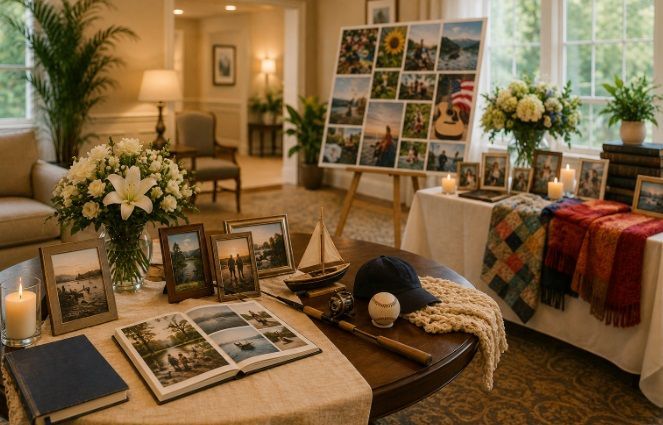
Traditions do not always have to come from formal customs. Sometimes a family's most meaningful practices develop through shared experiences. Favorite music, photographs, stories, hobbies, military service, community involvement, or treasured possessions can all influence how someone is remembered.
Creating lasting personal tributes often begins by identifying details that immediately remind family and friends of the person. A familiar song might be played at an important moment, photographs can illustrate different chapters of life, and a meaningful object can help tell a story without requiring elaborate additions.
Funeral professionals can help families decide which elements work well together. The goal is not to include every possible memory. A smaller number of thoughtful details can often communicate personality more clearly. When those choices come directly from the family's experiences, the resulting gathering can feel recognizable, sincere, and connected to the person being honored.
Respecting Religious and Cultural Customs
Religious and cultural practices can influence many aspects of a funeral, including readings, music, prayers, participants, timing, and the order of the ceremony. Some families closely follow established customs, while others combine traditional practices with more personal elements.
Funeral professionals can coordinate with clergy, celebrants, family members, and other participants when appropriate. Clear communication is important because families may have specific expectations about how and when particular customs should occur.
We believe families should be able to explain what is important without feeling that their traditions need to fit a standard template. Asking questions about unfamiliar practices is part of responsible planning. It allows funeral professionals to understand expectations and coordinate details respectfully. When everyone understands the family's priorities, personal and cultural traditions can become a natural part of the gathering rather than feeling separate from the rest of the service.
Honoring Service and Family Values
For some families, personal traditions are closely connected with military service, public service, faith, or values that shaped a person's life. Recognizing those connections can provide another meaningful layer to a funeral or memorial gathering.
When military service is an important part of someone's story, families may want to
understand available veterans funeral information and how appropriate honors may fit within their plans. These elements can be coordinated alongside personal readings, music, family participation, and other traditions.
The same principle applies to other important values. A person known for community involvement, devotion to family, or a particular passion may be remembered through stories and carefully chosen details. Funeral professionals can help families organize these elements so they complement rather than compete with one another. A thoughtful service gives each meaningful tradition enough space to be recognized while maintaining a comfortable flow for those attending.
Allowing Traditions to Feel Personal
A tradition can be meaningful even when it is unique to one family. Families should not feel pressured to include customs simply because they are commonly associated with funerals. The most appropriate choices are those that genuinely reflect the person and the relationships surrounding them.
Flexibility is especially useful when several generations are involved in planning. Older relatives may value established customs, while younger family members may suggest photographs, videos, music, or other personal elements. Both approaches can often work together.
Funeral professionals help by creating structure around those choices. They can discuss the order of events, determine where individual elements fit, and help participants understand their roles. This organization allows traditions to feel intentional rather than added at the last moment. The result can be a gathering that respects familiar customs while leaving room for the individual personality and experiences that made someone's life distinct.
Personal traditions can give families a meaningful way to recognize beliefs, relationships, memories, and values during a funeral or memorial gathering. Families choosing funeral homes Dartmouth, MA can benefit from guidance that respects these preferences while helping each part of the service work together. At New Day Cremation & Funeral Care, we listen carefully to what matters to each family and help turn those wishes into a thoughtful plan. Our
planning insights can also help families consider the decisions involved in creating a personal tribute. To discuss traditions, you would like included and receive guidance tailored to your family's wishes, call
(508) 992-5486.